“
May these portraits serve us as a reminder of what is at stake. Let them inspire us to work harder, to listen more carefully, and to never turn away from those in need.
Lidiya GrigorevaChief of Staff, United Nations
As a torture survivor, the first thing you lose is your voice. Reclaiming it takes courage, hard work, and support. You cannot do it on your own; you need organisations that listen and help you feel that you are not alone.
When I first started Portraits of Resilience, I set out to produce an art campaign that would give survivors a voice to tell their stories. I wanted each portrait to be uniquely beautiful — to captivate the viewer's interest, but also to be part of an overall series that would stimulate a wider discussion about torture prevention.
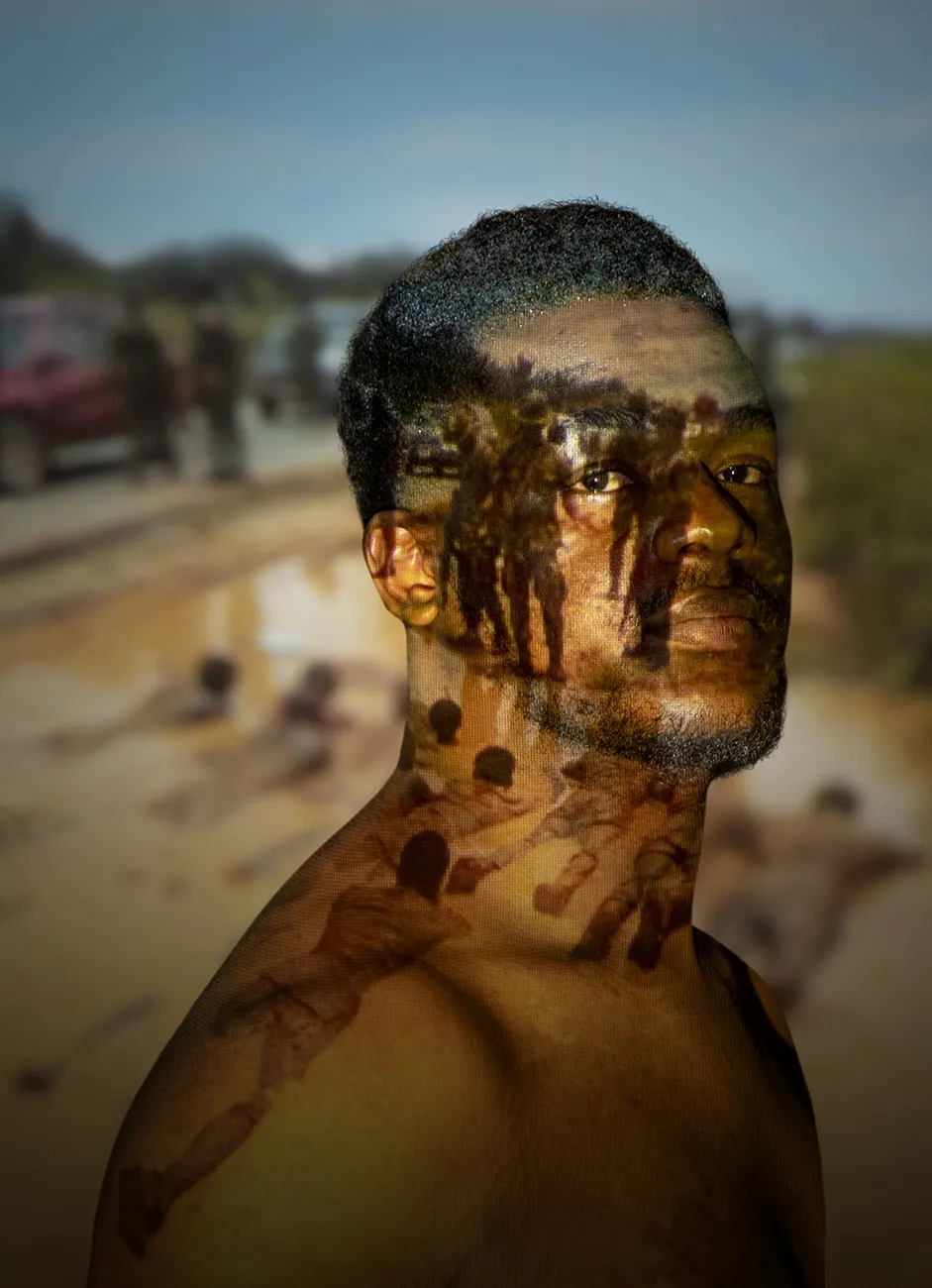
Portraits of Resilience features photographs of survivors of torture from around the world. Some have fled their home countries seeking safety, recovery and political asylum. Most participating survivors were tortured by repressive governments for reasons varying from joining oppositional political parties to criticising their governments, being related to a political dissident, or because of their religion or sexual orientation.
I did not want to define survivors of torture by their trauma, but in the beauty of their resilience. I wanted to capture a series of colourful and powerful portraits that each participant would be proud of.
In the Charter of Rights of Victims and Survivors of Torture's final declaration it reads: “We, the victims and survivors of torture and other inhumane acts, speak with one voice. We will continue to tell our stories, to support one another and to transform our suffering into strength.”
Portraits of Resilience is a unique survivor-centred approach to storytelling, showing who each person is and providing a voice to be heard.
Each portrait is created collaboratively, giving participants the choice to share their story openly or anonymously, and to decide how much they wish to reveal. Not all survivors want to be recognised for fear of repercussions to their friends and family. Each survivor selects a photograph that is significant to them and part of their story — this photograph is then projected over the individual, sometimes obscuring their identity, as per their request.
Participants are also involved with the post-production, selecting the final photograph and specifying any refinements in Photoshop. The finished portraits are a co-creation, rather than a photograph just by me.
Portraits of Resilience is exhibited with each survivor's portrait shown alongside their story with an explanation of why they selected the particular image to be projected over themselves.
May these portraits serve us as a reminder of what is at stake. Let them inspire us to work harder, to listen more carefully, and to never turn away from those in need.
The United Against Torture consortium members and IRCT survivor advisory board couldn't be prouder to be associated with “Portraits of Resilience”. Jonathan's photography is creative storytelling which is both thought and action provoking.

Portraits of Resilience is a series of photographs that defy traditional images of survivors of torture. The portraits bring humanity to the surface and seek our action as well as empathy. The photographs look to raise awareness about the practice of torture around the world, encourage people to fight against it, and help support more survivors of torture.
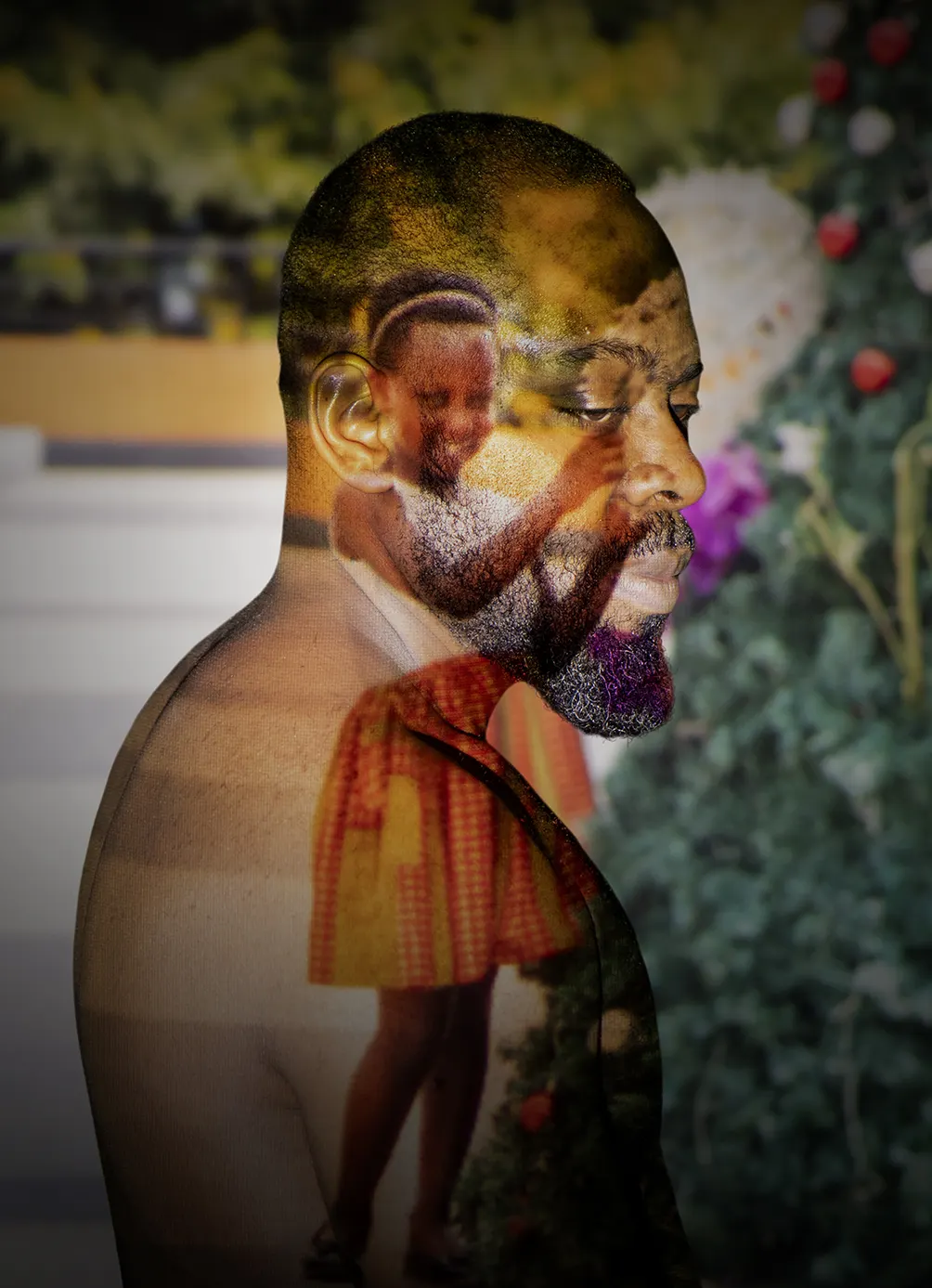
Jonathan's genuine care for his subjects ensures that they are empowered through the beautiful stories that he captures. His ability to combine technical skills with a deep understanding of human connection is truly remarkable.
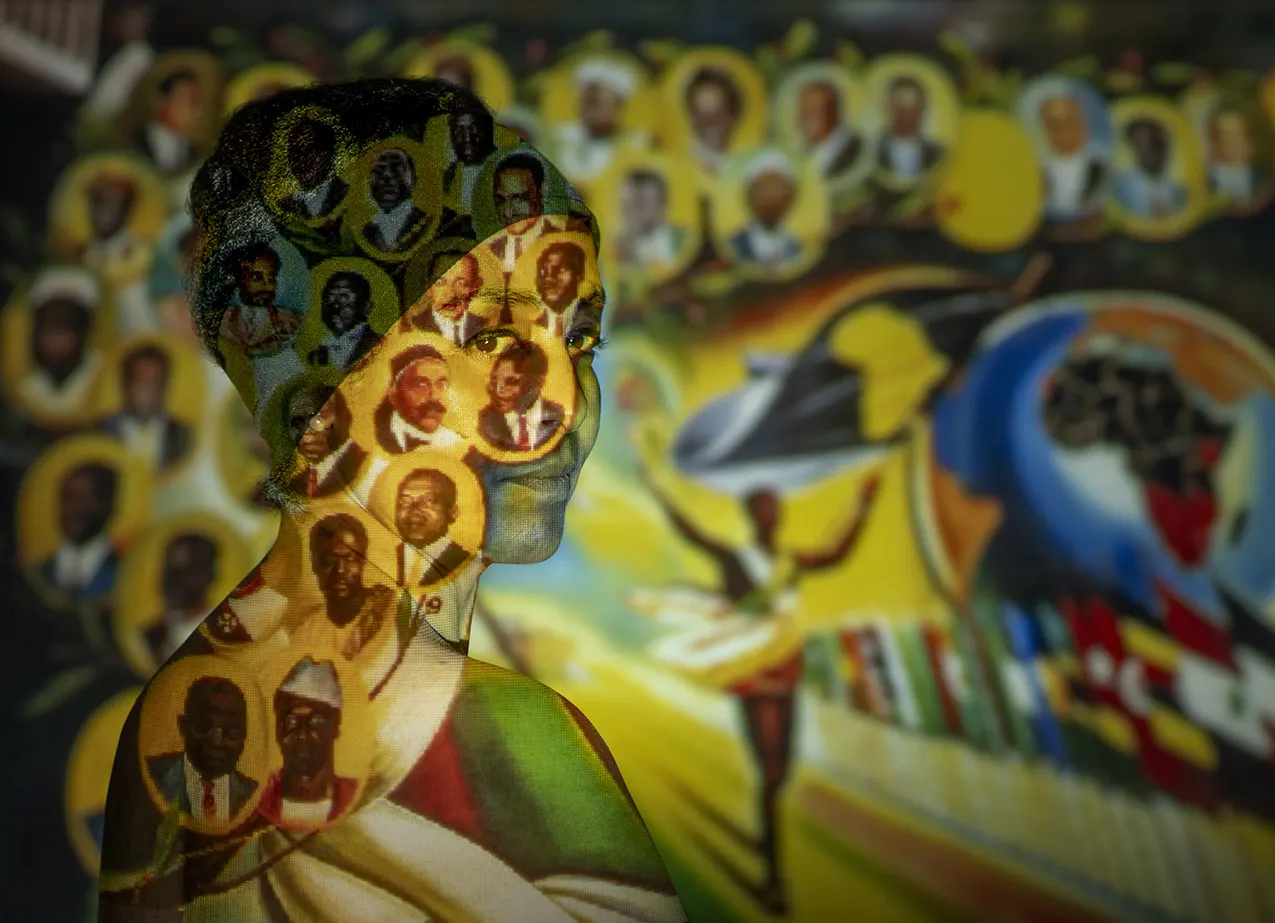
These photographs give us an opportunity to connect with the individuals — survivors of torture — and with their stories. Each one is testimony to the survivor's courage and a reminder that we still have far to go in the twenty-first century to eliminate torture.
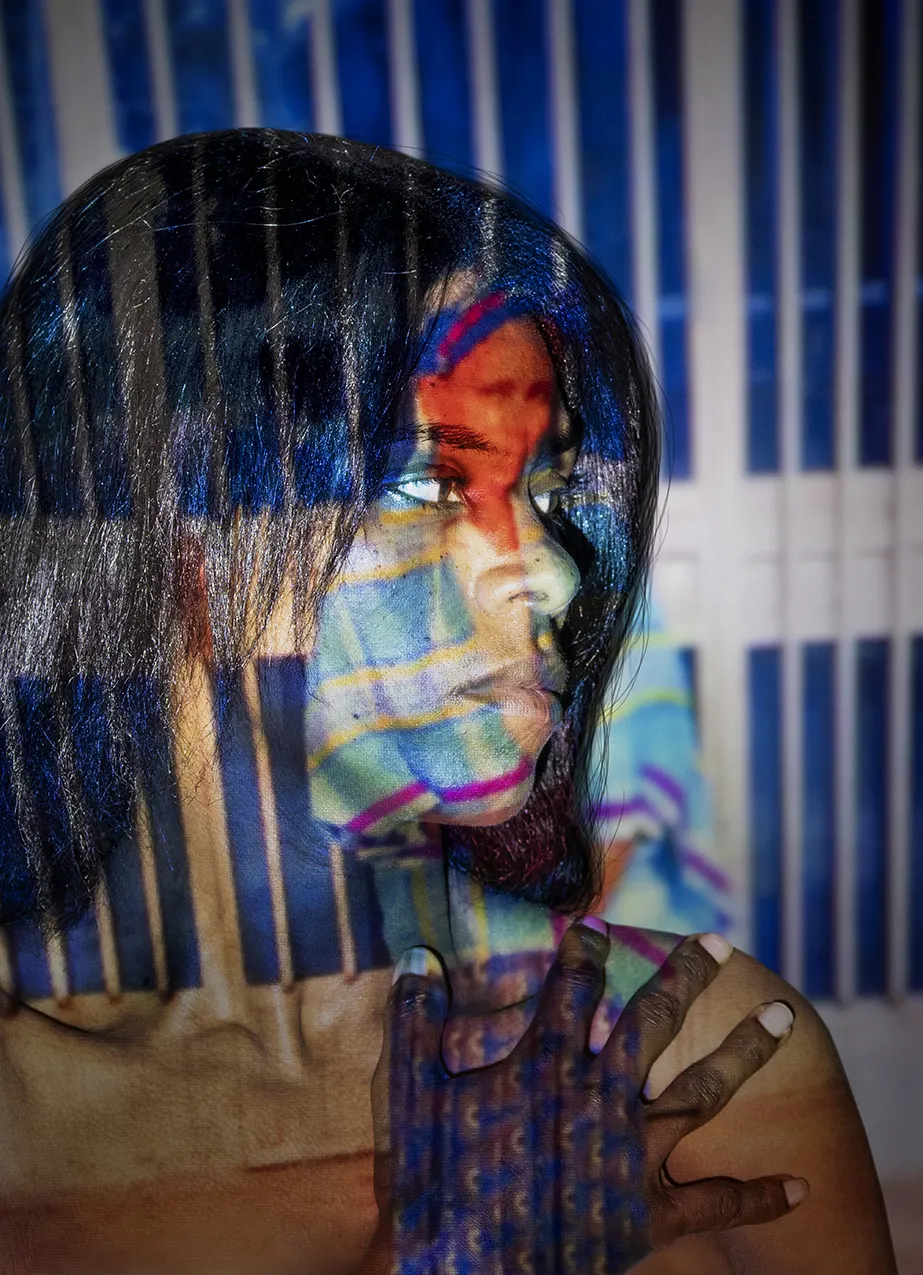
“Portraits of Resilience” speaks to the strength of the human spirit and the enduring struggle for dignity and justice.
| Date | Occasion | Space | Location | Gallery |
|---|---|---|---|---|
| June - Sept 2026 | Portraits of Resilience — Panel discussion & solo exhibition | The European External Action Service Headquarters | Brussels, Belgium | |
| December 2025 | Solo exhibition & panel discussion - Human Rights Day | UK Mission to the EU, British Residency | Brussels, Belgium | |
| March - April 2025 | Solo exhibition - 58th session of the Human Rights Council | Palais des Nations, United Nations | Geneva, Switzerland | |
| Jan 2024 | 14th Global Migration and Development Summit | Centre International de Conferences | Geneva, Switzerland | |
| April - July 2022 | Solo Exhibition and panel discussion | Phillips Collection | Washington DC, U.S. |
Click on a photo to see the full gallery.
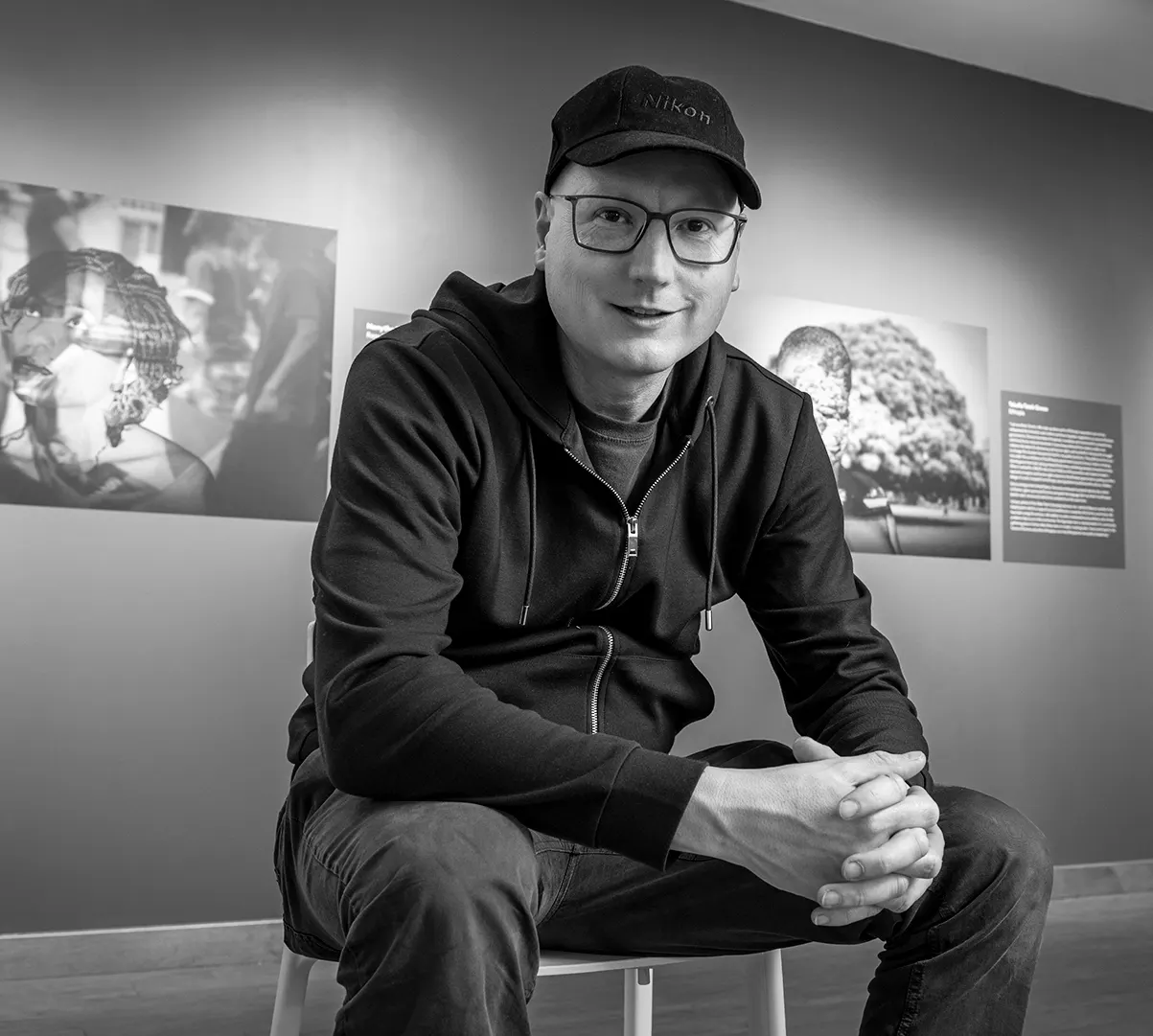
Jonathan Banks is an award-winning British photographer with over twenty-five years of experience collaborating with charitable organisations and NGOs, documenting important humanitarian campaigns with human rights concerns.
Banks has photographed in over eighty different countries, documenting subjects as diverse as mask dancing festivals in Burkina Faso, the effects of the Chernobyl disaster in Ukraine, and the aftermath of 9/11 in New York. Banks's photography regularly features in international editorial publications and is the visual content of several books. His photographs have been widely recognised by numerous awards including FOTO8, Humanity Photo Awards, The Sony World Photography Awards, and the Siena International Photography Awards.
Banks has exhibited his photography globally with notable shows at The United Nations' Palais des Nations in Geneva, The Phillips Collection in Washington DC, the European Parliament in Brussels, on the Times Square screens in New York, as part of the Exposure Awards at the Louvre in Paris, and at the “Beauty of Humanity” Art Basel festival in Miami.
Banks studied under the prolific artist John Blakemore and graduated from the University of Derby with a BA (Hons) in Photographic Studies. He is now part of the mentorship alumni programme and supports the University in other ways with his work. Outside of this he has given artist talks and run workshops about his photography.
His work has been described by one critic as “responsible documentary photography that lacks the predatory or voyeuristic perspective that often plagues the genre.”
Visit jonathanbanks.co.uk →





Jonathan Banks met Léonce Byimana in October 2014 while on assignment in Rwanda, photographing a healthcare programme for the charitable organisation DelAgua. At the time, Léonce was a public health advisor.
They travelled together for the project and became friends, keeping in touch afterwards when Léonce left for the United States — first to become director of the Western New York Center for Survivors of Torture in Buffalo, NY, and later to join TASSC International as its director.
Over the years, Jonathan and Léonce talked about collaborating on a project to build awareness of torture through photographs. Léonce suggested that Jonathan look through the TASSC website to gain a better understanding of the organisation's work and the survivors it supports.
Jonathan read the stories of the survivors and found them incredibly powerful — but found that the accompanying portraits did not have the same emotionally charged response. The pictures showed what the survivors looked like, but not who they are.
Jonathan and Léonce agreed that they wanted to create a powerful and beautiful series of portraits that would stimulate debate. The aim was to raise awareness and educate the public to end the practice of torture.
The creative idea evolved naturally as Jonathan began to learn more. Not all survivors want to be recognised. Jonathan rejected the suggestion of adjusting the lighting to obscure the survivor's identity, as this is often how criminals are presented on the news. He also wanted something that would refer to their past on a deeper emotional level.
Once Jonathan had the basic concept of projecting images on to the survivors, it was a natural and obvious course to ask them to select and supply personal images that had a significance for them. The final portraits are a co-creation, rather than a photograph just by Jonathan.
Portraits of Resilience is an ongoing personal project that is gaining momentum. It is now connected with other organisations and will be working on new material this year. The aim was always to stimulate debate and raise awareness about the practice of torture that continues to be used by governments around the world.
As a long-term project, Portraits of Resilience is always looking to expand on the selection of portraits currently in the series. If there are any organisations working with survivors that would be interested in discussing being part of the project, please do get in contact. Of course, this extends to any other organisations or individuals that would like to support in other ways.